
October 8, 2026
Understanding JSSC Stretch Film Options
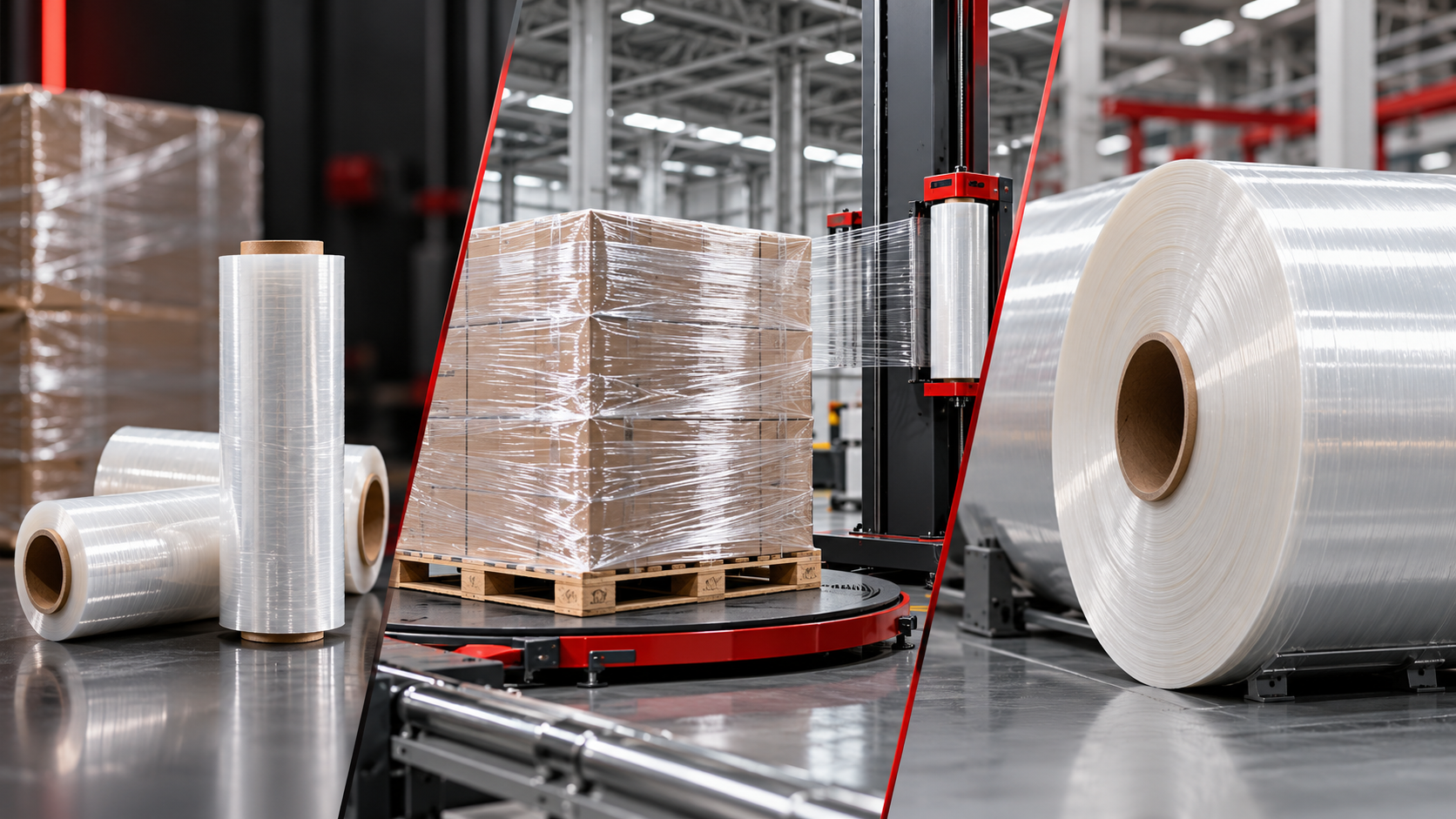
Learn the differences between JSSC hand, machine, and jumbo roll stretch film options, and understand which type is best suited for different packaging applications.
By JSSC TeamRead article
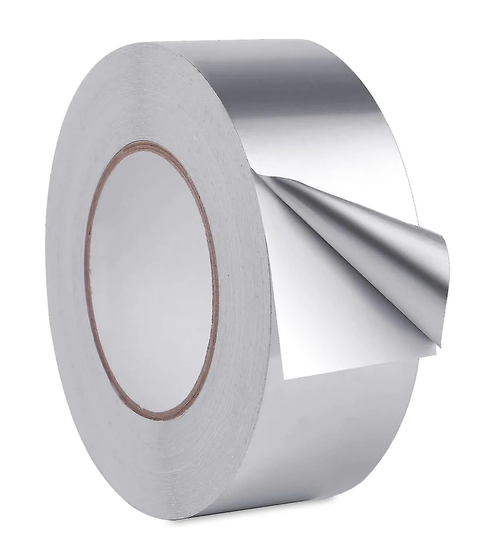
Learn more about JSSC Aluminum Foil Tape, its product characteristics, key features, and available specifications for industrial requirements.
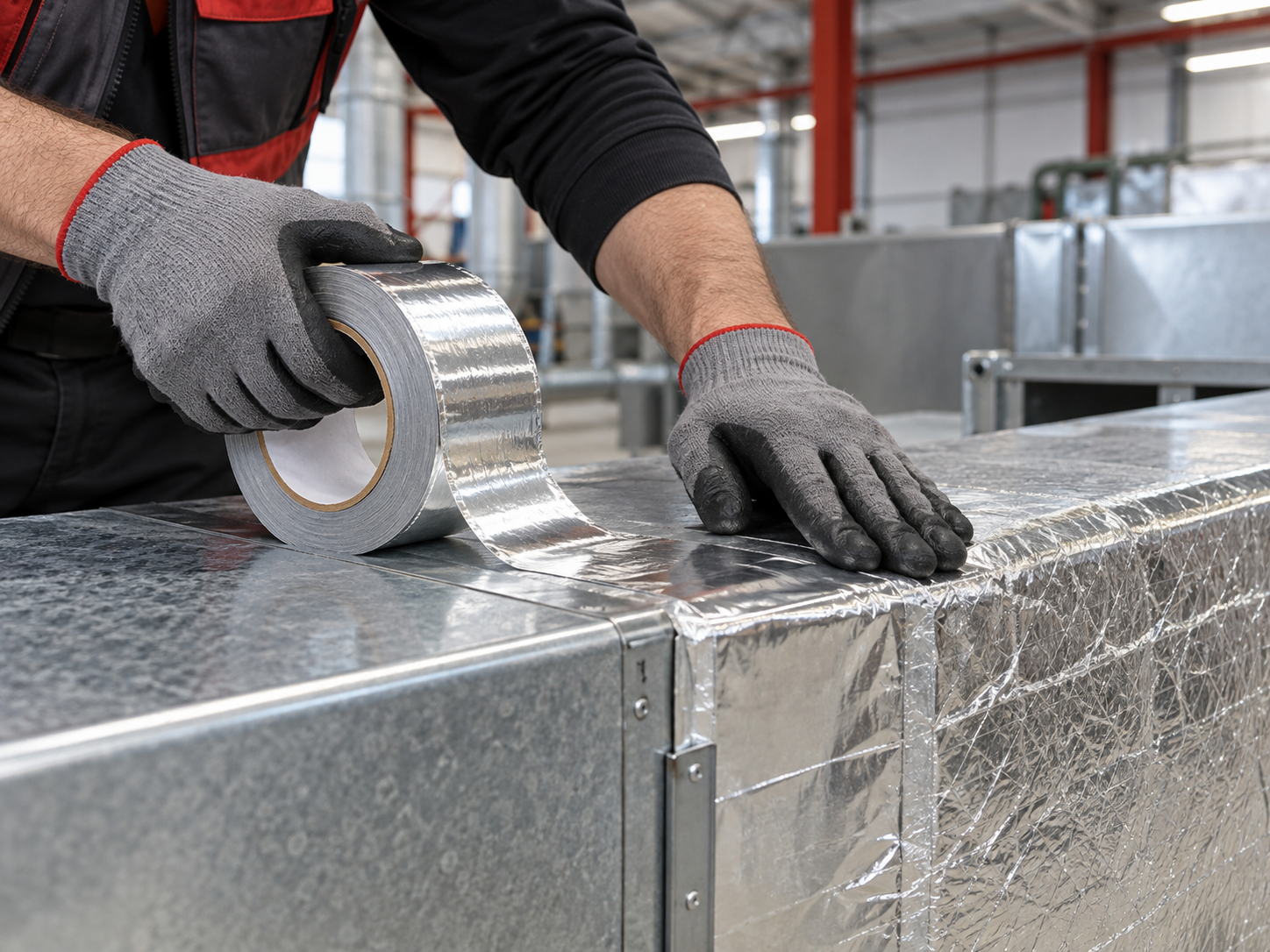
Aluminum Foil Tape is an industrial tape designed for applications where a metallic surface, sealing performance, and durable construction are required.
Its aluminum surface gives the tape a distinctive reflective finish and makes it suitable for a variety of industrial and technical requirements.
Aluminum Foil Tape combines an aluminum foil surface with an adhesive backing, allowing it to be applied directly to suitable surfaces.
Compared with conventional packaging tapes, it is designed for more specialized industrial requirements where the properties of aluminum foil are useful.
JSSC Aluminum Foil Tape is designed with several important characteristics.
The metallic foil surface provides a clean, reflective finish and makes the tape suitable for industrial environments where aluminum-based materials are required.
The adhesive backing is designed to help the tape remain securely attached to appropriate surfaces when correctly applied.
One of the important characteristics of aluminum foil tape is its ability to act as a water vapor barrier, helping limit the passage of moisture vapor across sealed areas.
JSSC Aluminum Foil Tape offers high tear and puncture resistance, supporting durability during handling and application.
The combination of aluminum foil and adhesive backing makes the tape suitable for applications requiring a strong and practical sealing material.
Aluminum Foil Tape can be supplied according to the specifications offered by JSSC.
Important product details may include:
The required specification depends on the intended application and customer requirements.
Unlike standard adhesive tapes, aluminum foil tape uses a metallic foil surface rather than a conventional plastic or paper backing.
This gives it different physical characteristics and makes it more appropriate for specialized industrial requirements.
For applications where standard packaging tape is sufficient, other adhesive tape options may be more suitable.
Explore:
Before selecting aluminum foil tape, businesses should consider:
Confirming these details helps ensure that the selected tape matches the operational requirement.
Aluminum Foil Tape is a specialized industrial product that combines an aluminum foil surface with adhesive performance and useful physical properties.
Its water vapor barrier properties and high tear and puncture resistance make it suitable for applications that require more than a standard adhesive tape.
Explore JSSC Aluminum Foil Tape or contact JSSC for available specifications and additional product information.
Related products
Structured product links support internal discovery without forcing promotional content into the article body.
Related articles
Keep exploring adjacent content inside the same topic cluster.
Learn the differences between JSSC hand, machine, and jumbo roll stretch film options, and understand which type is best suited for different packaging applications.

Learn more about JSSC Cling Film, including its product characteristics, available formats, and key specifications for food and commercial packaging requirements.