
October 1, 2026
How to Use Bubble Wrap for Better Product Protection
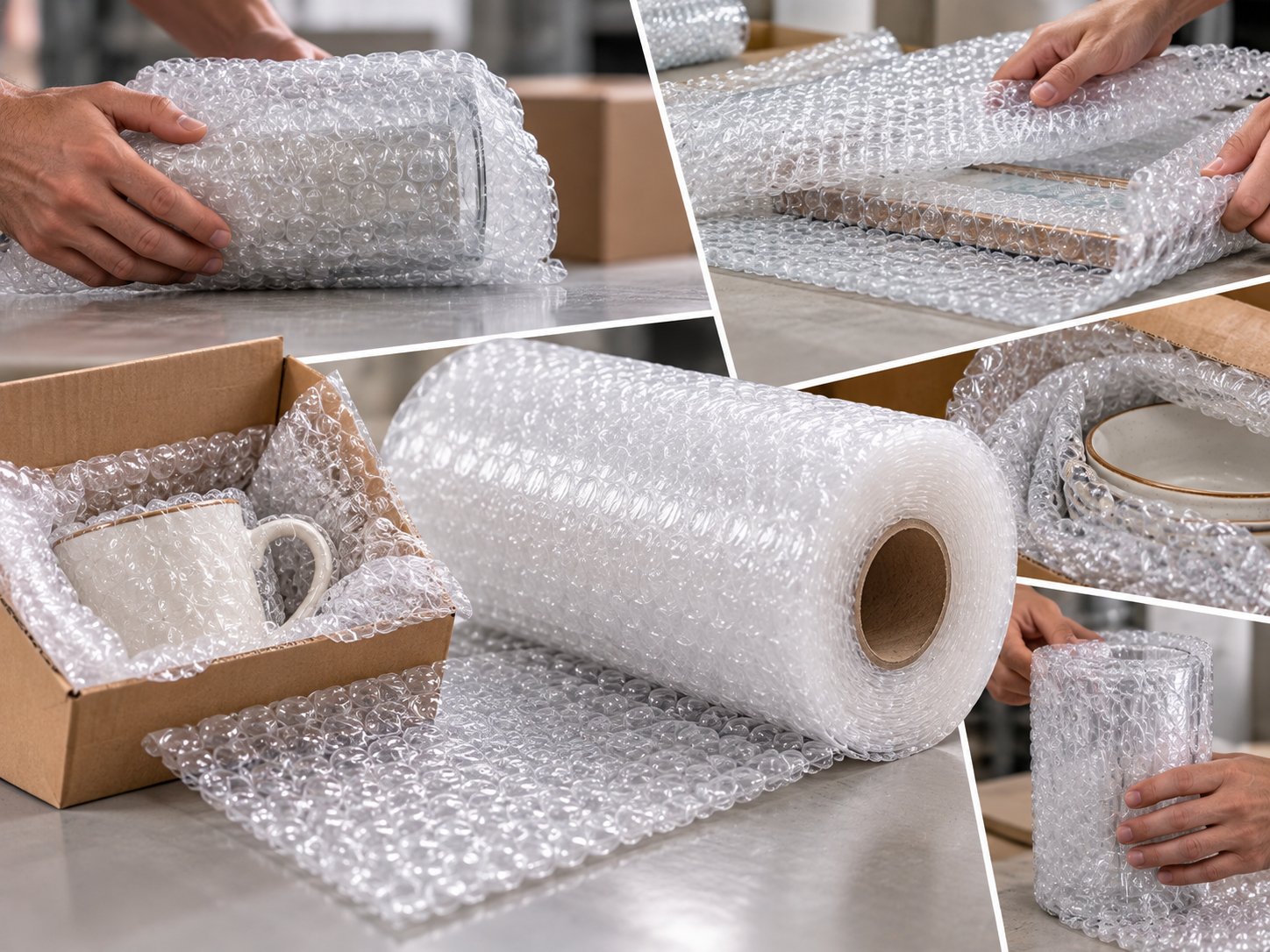
Learn practical ways to use bubble wrap to protect products during packing, storage, handling, and transportation.
By JSSC TeamRead article
Compare cling film and aluminum foil to understand which wrapping option is more suitable for different food storage, preparation, and commercial packaging needs.
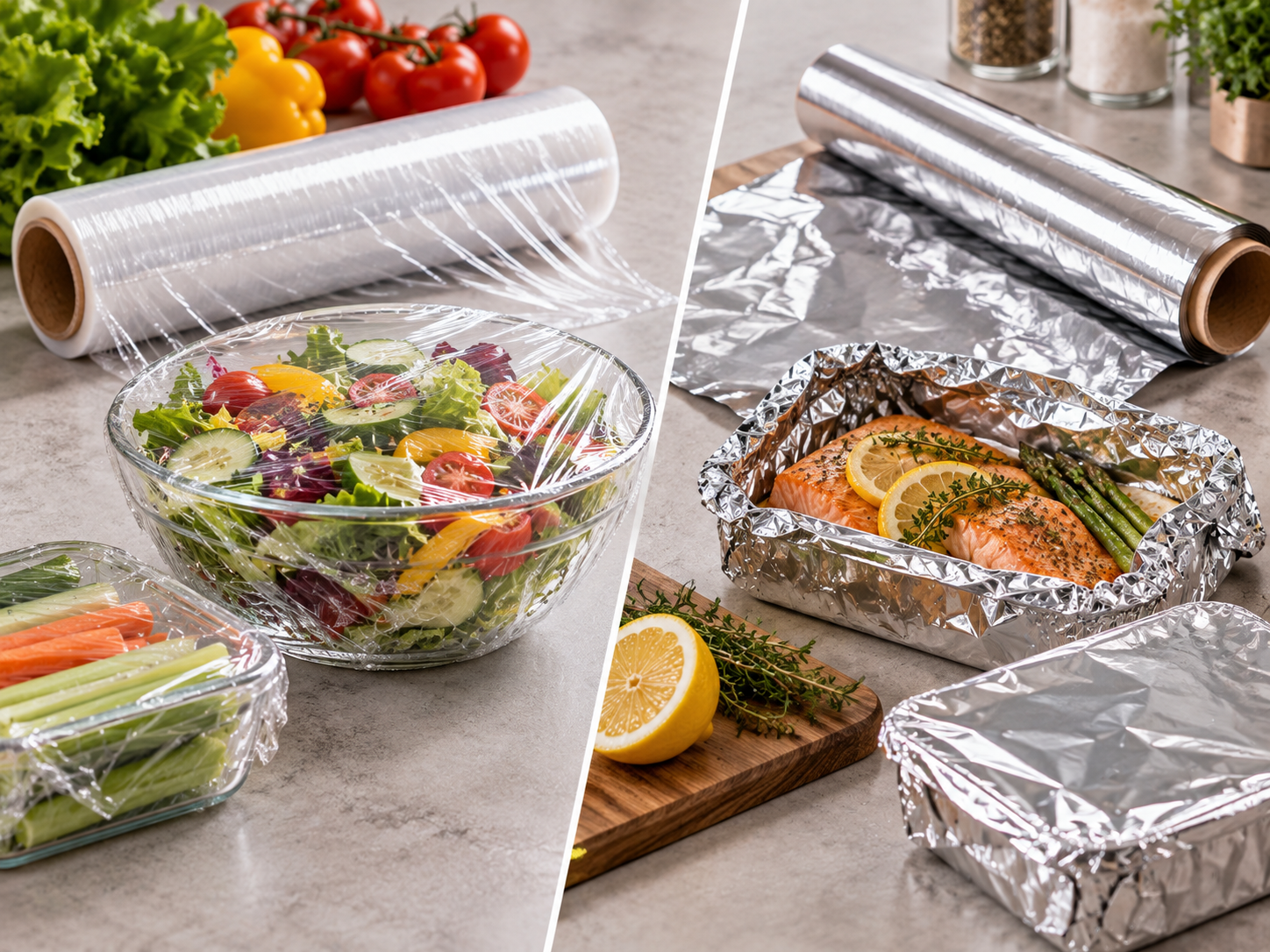
Cling film and aluminum foil are both commonly used for food wrapping and preparation, but they serve different purposes.
Choosing between them depends on the type of food, the level of coverage required, the storage method, and how the product will be handled.
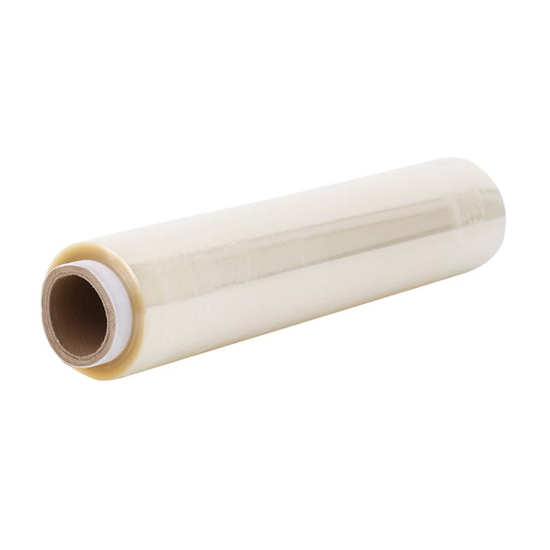
Cling film is a thin, flexible, transparent material designed to wrap closely around food containers and suitable products.
It is often useful when:
JSSC Cling Film is available in different widths and weights for commercial wrapping requirements.
Explore JSSC Cling Film.
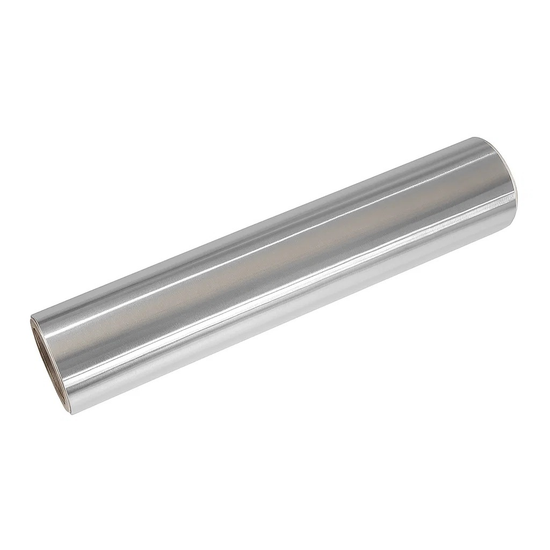
Aluminum foil is an opaque metallic material that can be shaped around food, trays, and containers.
It may be more suitable when:
Explore JSSC Aluminum Foil.
One of the clearest differences between cling film and aluminum foil is visibility.
Cling film is transparent, allowing the contents to remain visible.
Aluminum foil is opaque, so the wrapped product cannot be seen without opening the package.
Cling film is also more flexible and designed to stretch around containers, while aluminum foil holds its shape more firmly once folded.
For bowls, trays, and containers, cling film can provide a close-fitting transparent cover.
Aluminum foil can also be used to cover trays and containers, especially when a more rigid cover is preferred.
The better choice depends on the application and required handling conditions.
When selecting a wrapping material for storage, businesses should consider:
The product's own handling and storage requirements should always guide the final choice.
There is no single option that is better for every application.
In some packaging situations, different materials may be used at different stages depending on the product and handling requirements.
The important point is to select each material according to its intended purpose rather than treating cling film and aluminum foil as identical products.
Cling film and aluminum foil are both useful food-wrapping materials, but each has different characteristics.
Cling film provides transparency and flexibility, while aluminum foil offers an opaque, shape-holding metallic covering.
Choosing the right option depends on the product, container, storage method, and required packaging performance.
Explore JSSC Cling Film, JSSC Aluminum Foil, or contact JSSC for additional product information and available specifications.
Related products
Structured product links support internal discovery without forcing promotional content into the article body.
Related articles
Keep exploring adjacent content inside the same topic cluster.
Learn practical ways to use bubble wrap to protect products during packing, storage, handling, and transportation.
Discover practical applications for aluminum foil tape and learn how to use it effectively for sealing, insulation-related work, and industrial requirements.